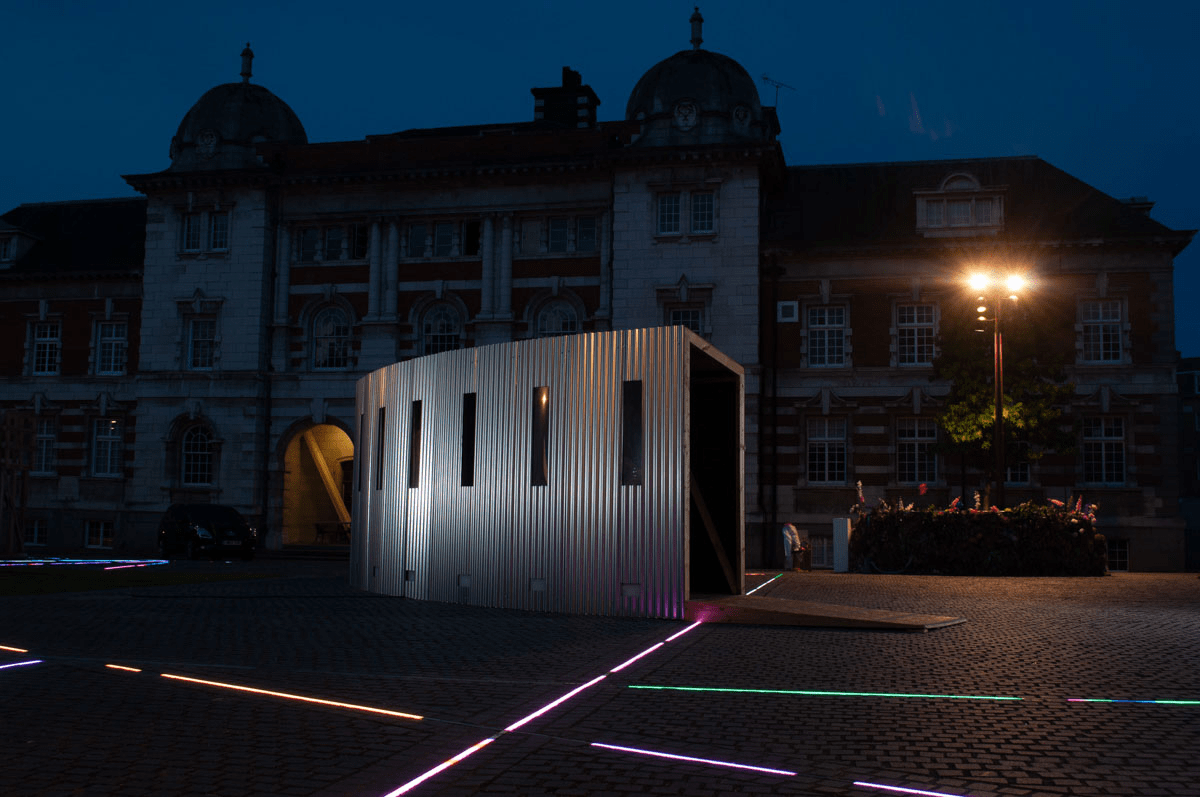
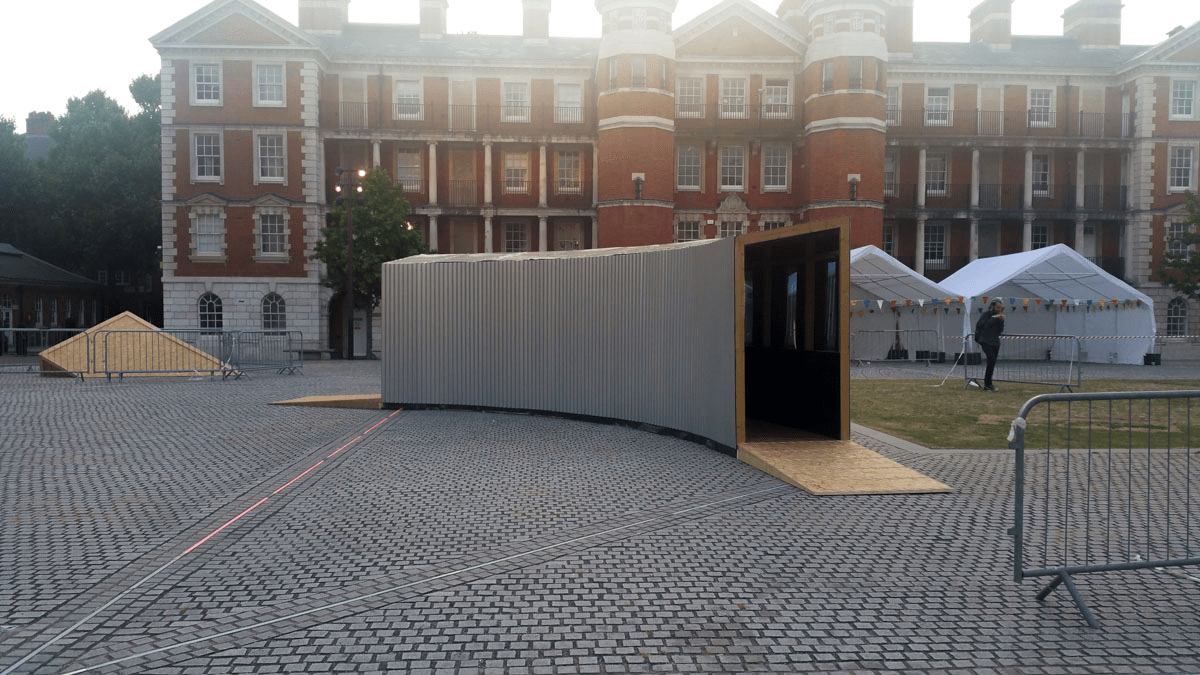
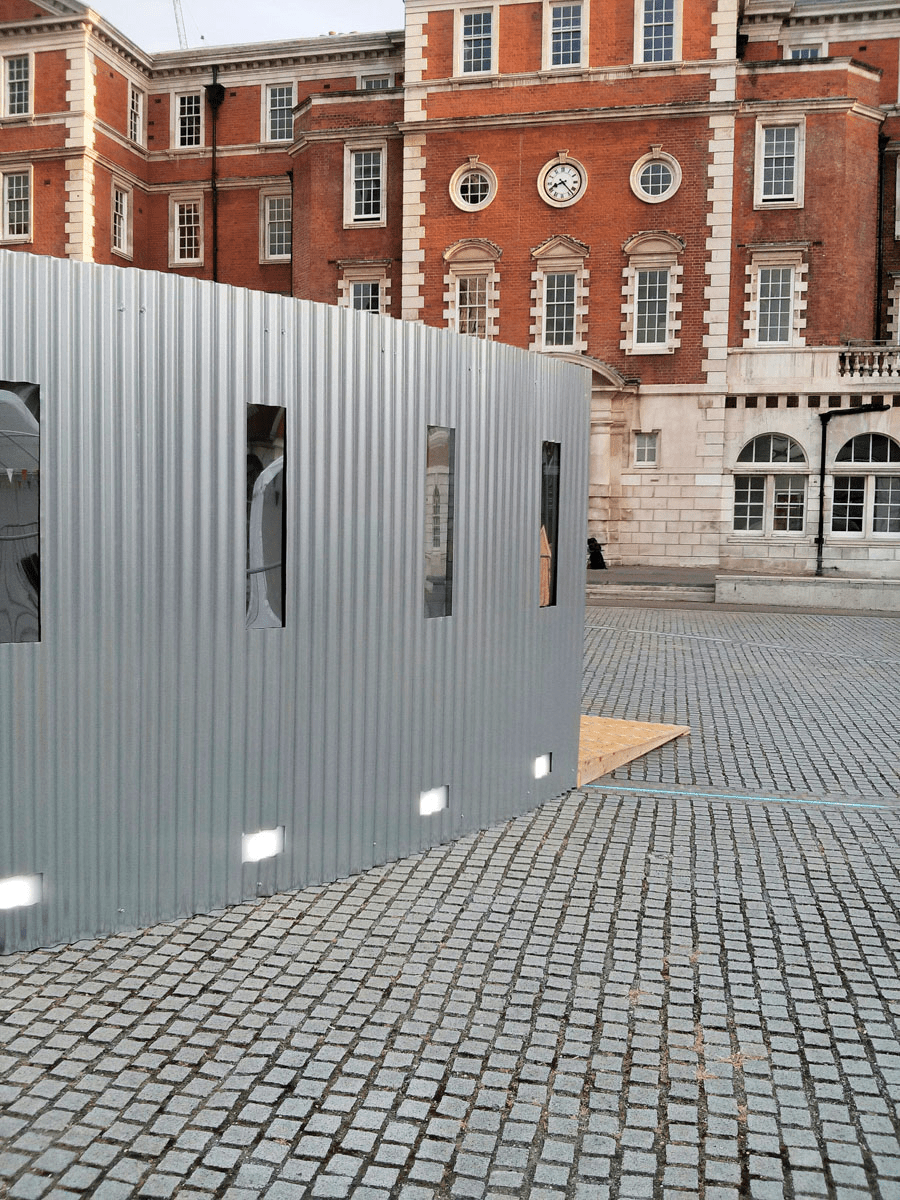
Architectural public art project at Chelsea College of Arts Rootstein Hopkins Parade Ground.
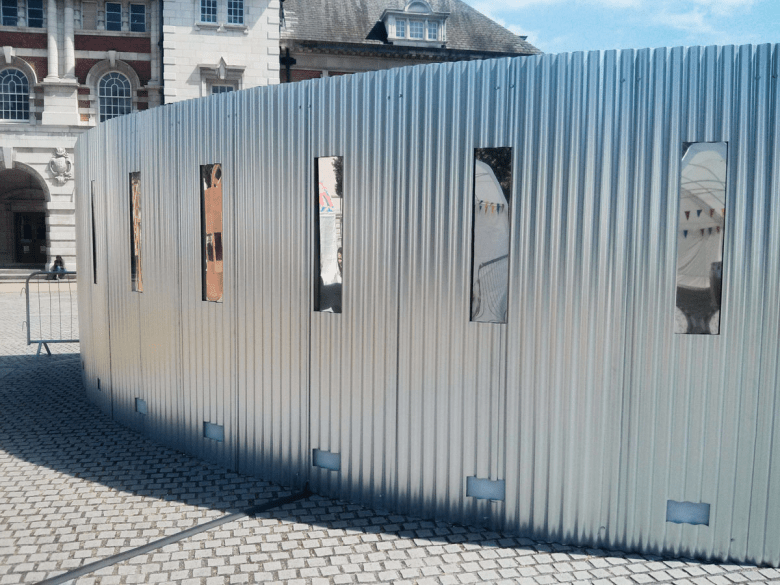
Anta created the “Interactive Tunnel” work in 2015 when “Snoopers Charter” was part of public discourse. The legislation changed UK governmental relationship with it’s residents allowing mass surveillance by limiting peoples inherent right to privacy. Anta explored how it was often unclear how far government surveillance could extend into ordinary citizens lives of this legislation were to be passed. More so, how much this strategy relies on good intentions and is left vulnerable to bad actors. When creating the artwork she was exploring systems around online privacy, surveillance and peoples understanding of what happens to their information. In this artwork, she is raising questions about police state and consent to systematic surveillance in a modern society.
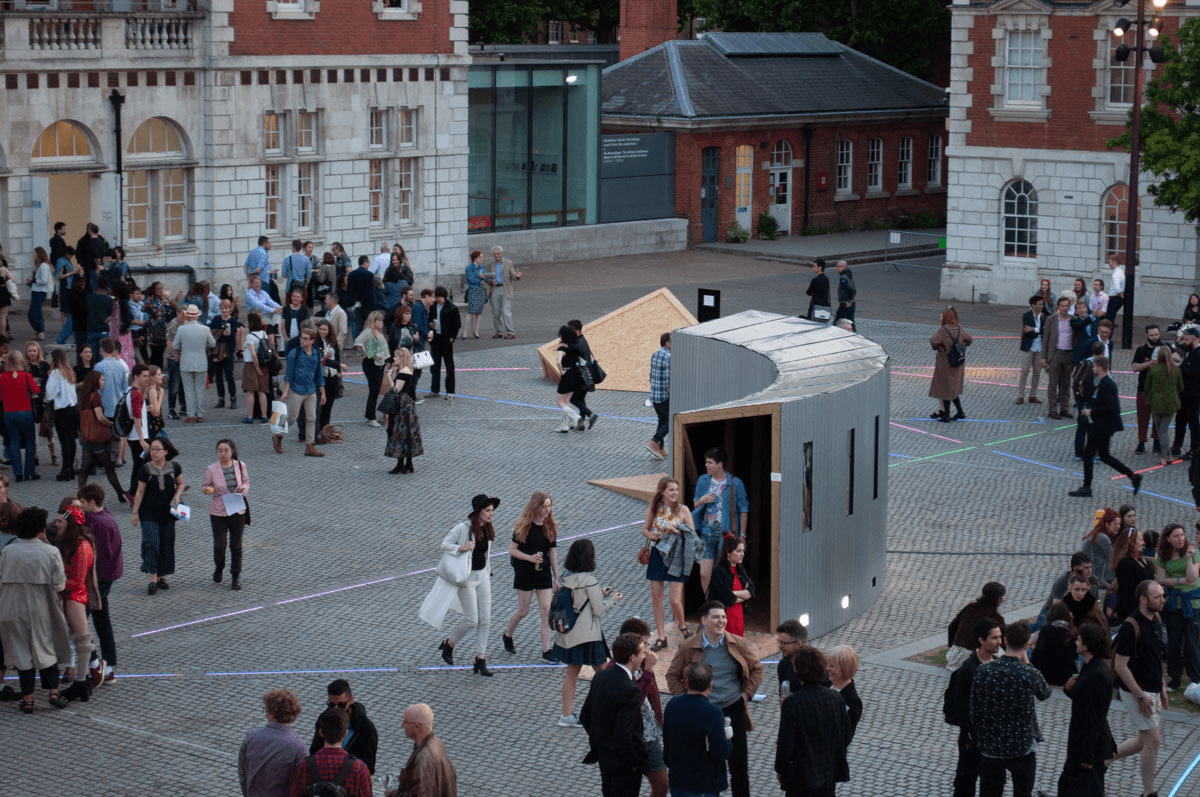
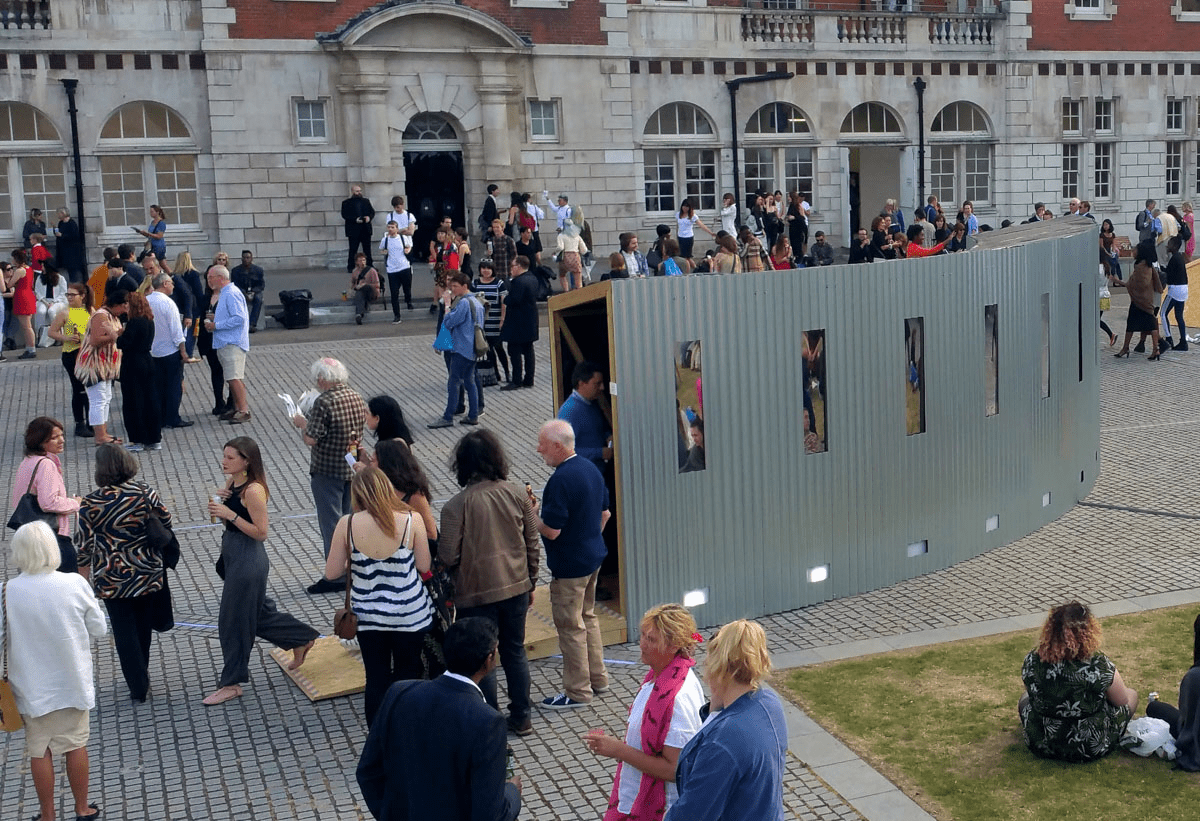
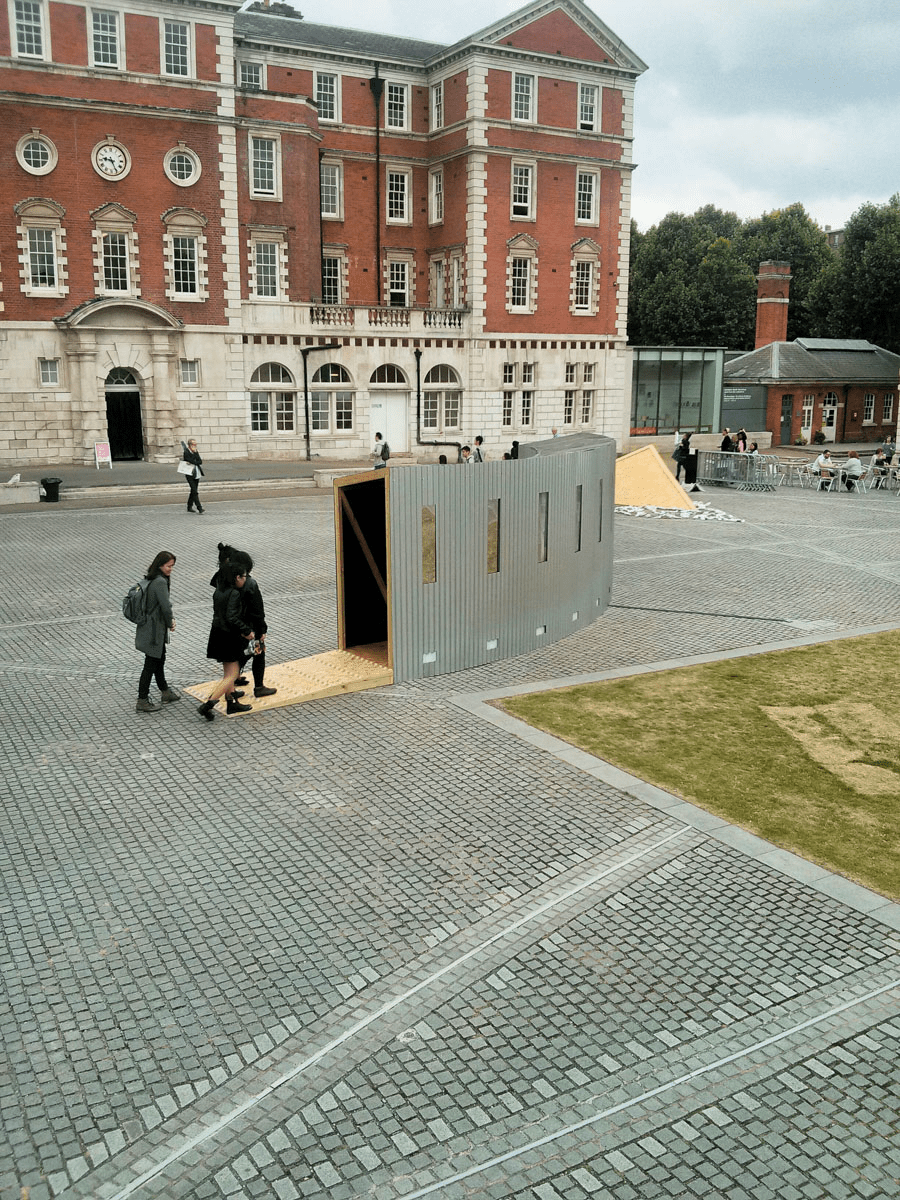
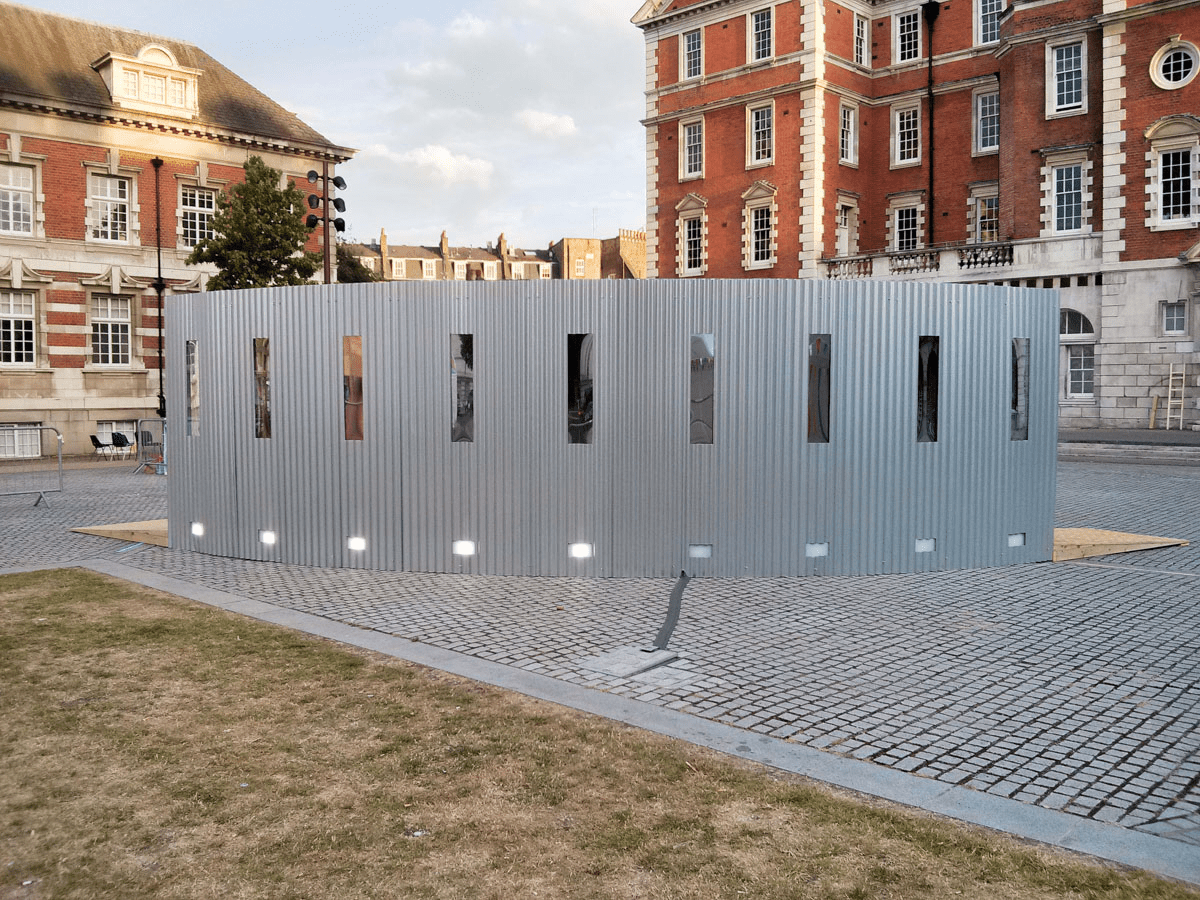
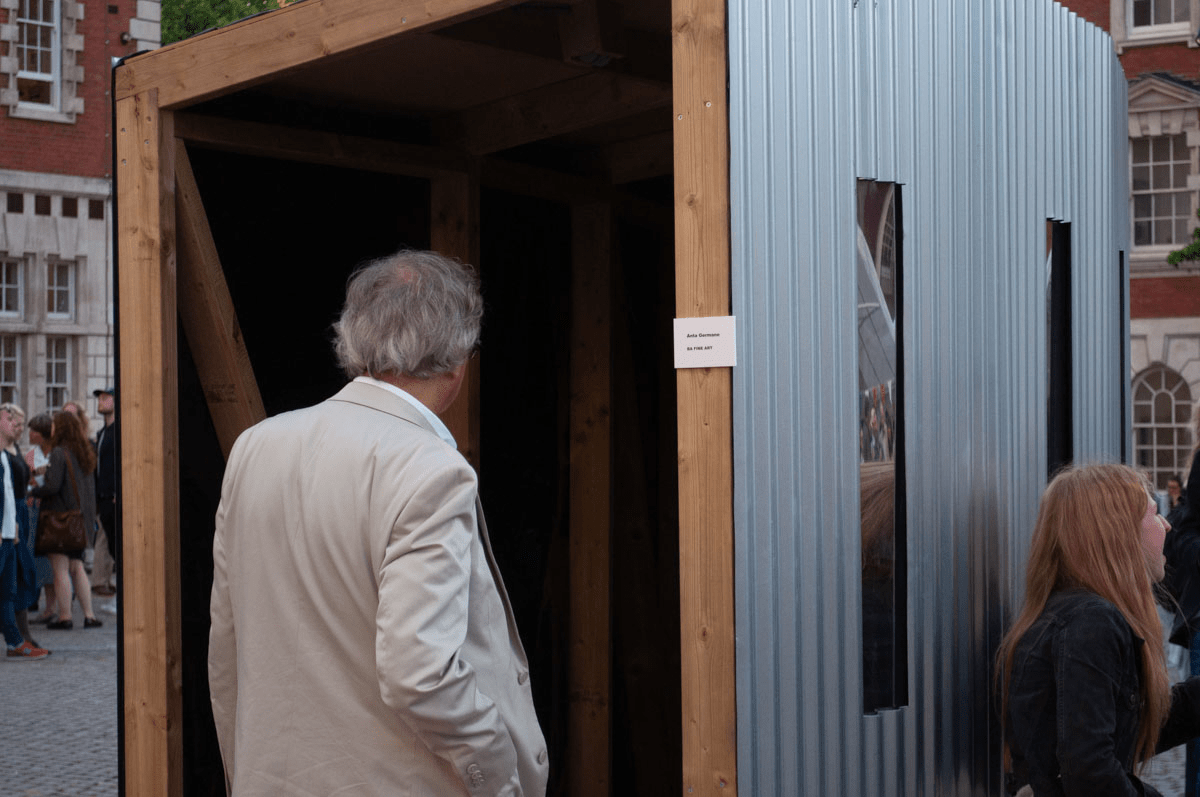
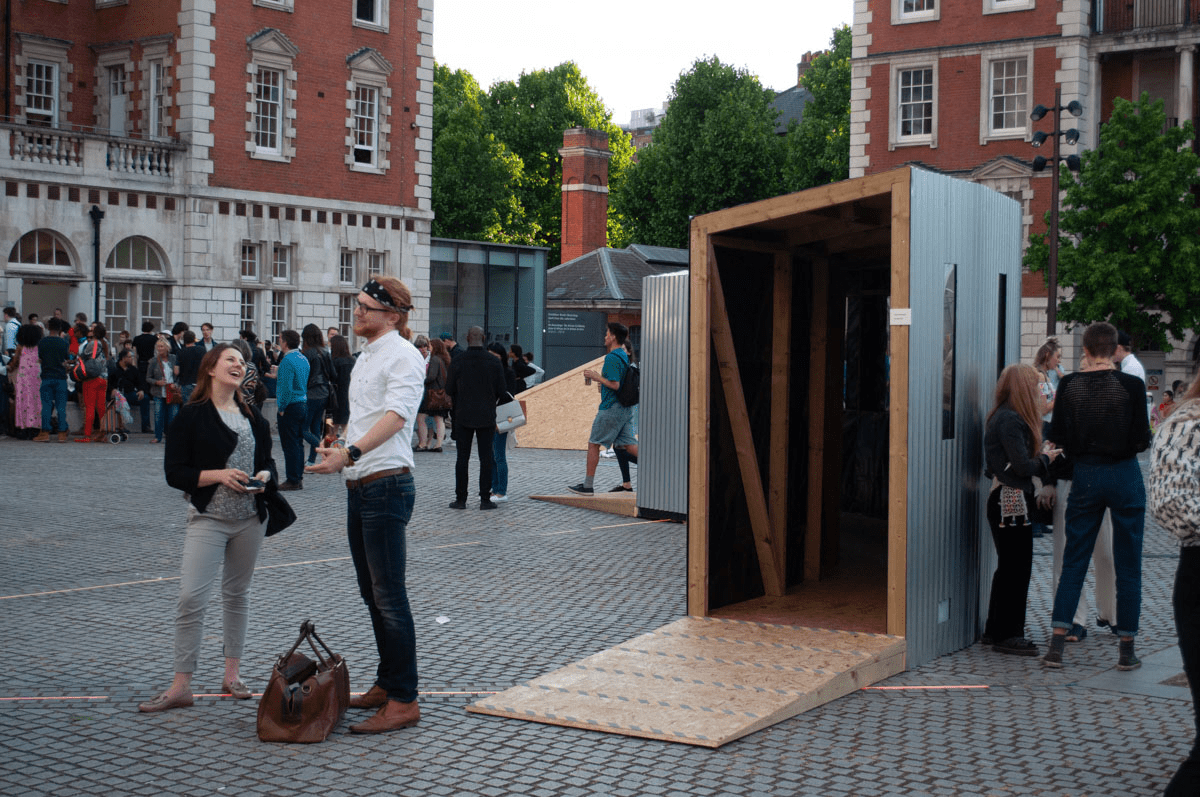
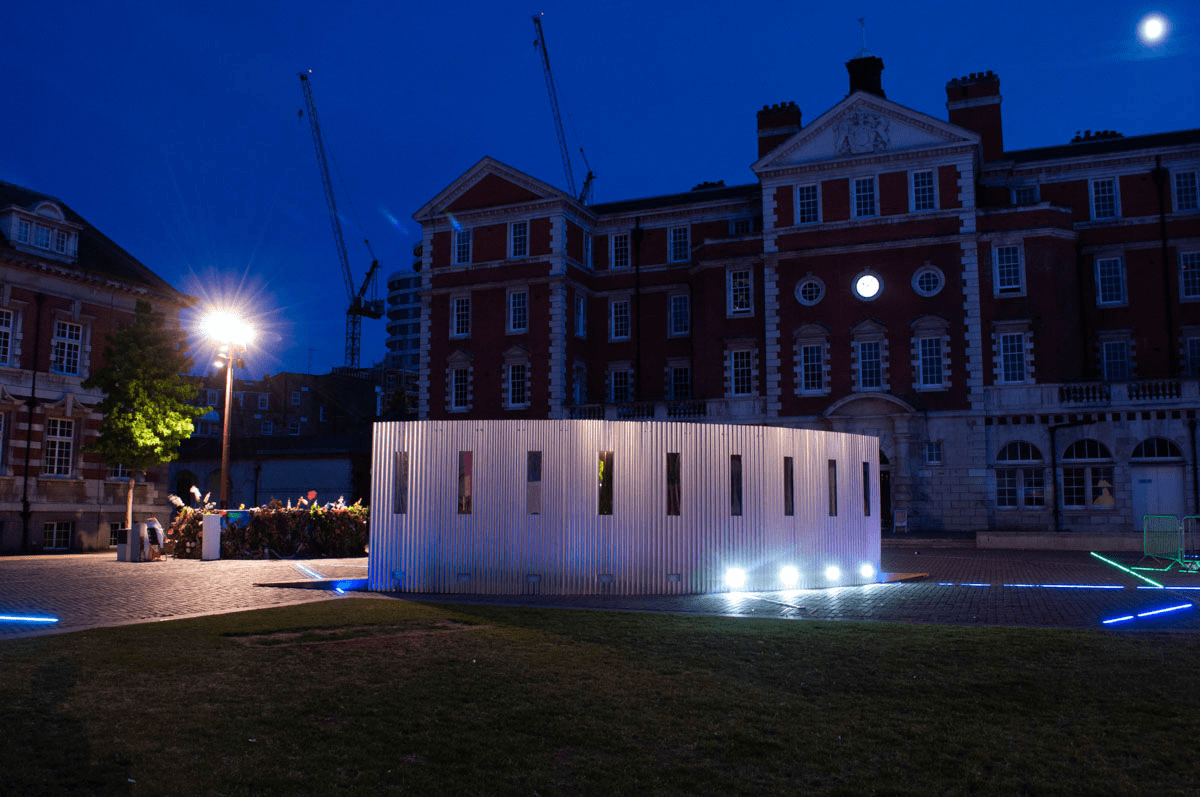
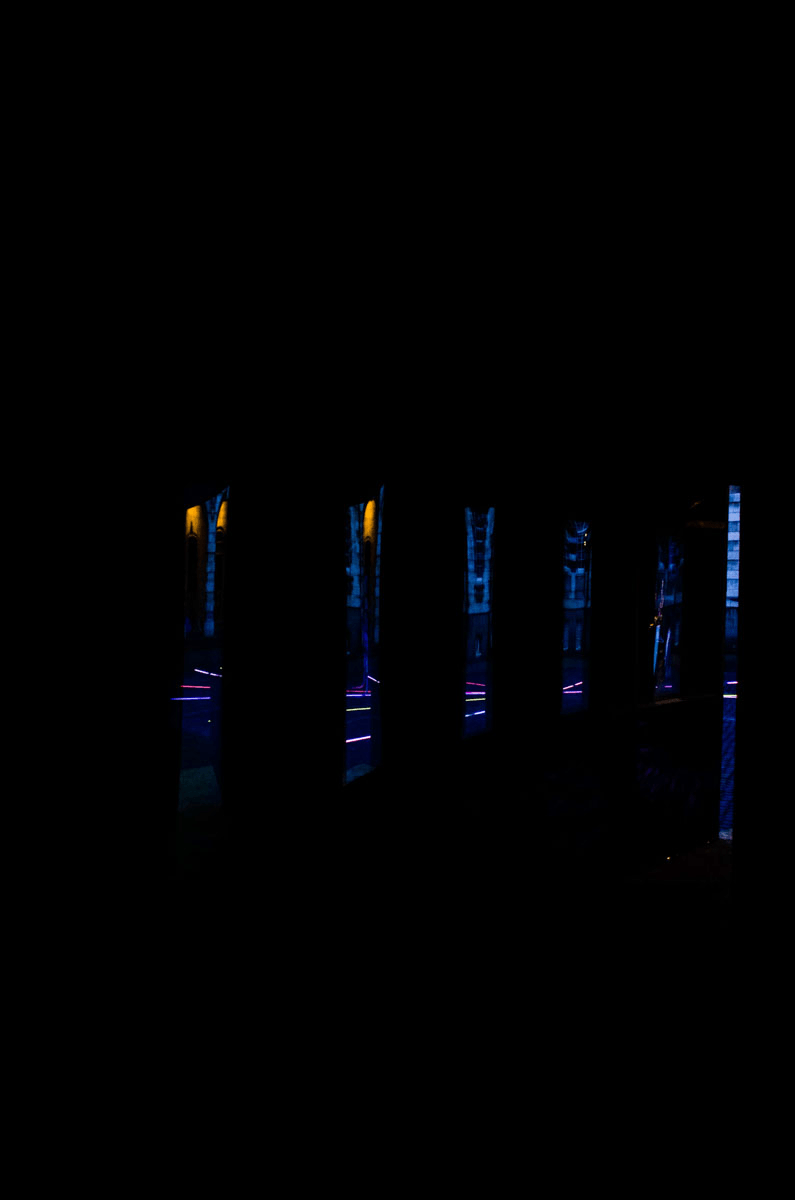
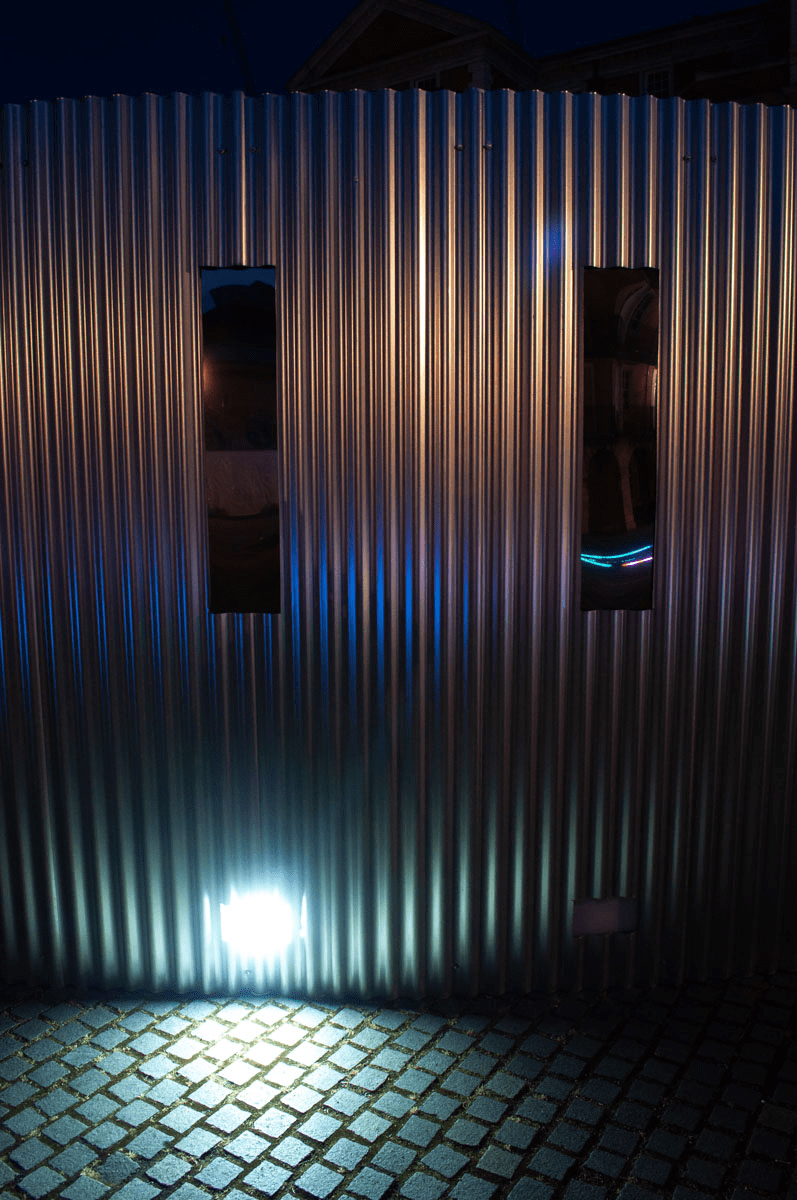
The artwork is a steel clad wood construction with two way mirrors and responsive lights corresponding to peoples location within the tunnel. The double mirrors are the first direct symbol, often used in movies, therefore instantly recognisable as a way for state representatives to watch without being seen. Two way mirrors allow one way looking for a person walking through the tunnel without being physically seen from the outside. Each observation mirror is paired with responsive lights that shine outwards when a window/mirror is approached. Visitors outside the tunnel can be aware that someone has entered the space and might be looking at them, but it is never truly clear if they are themselves being observed.
 Anta Germane Studio